
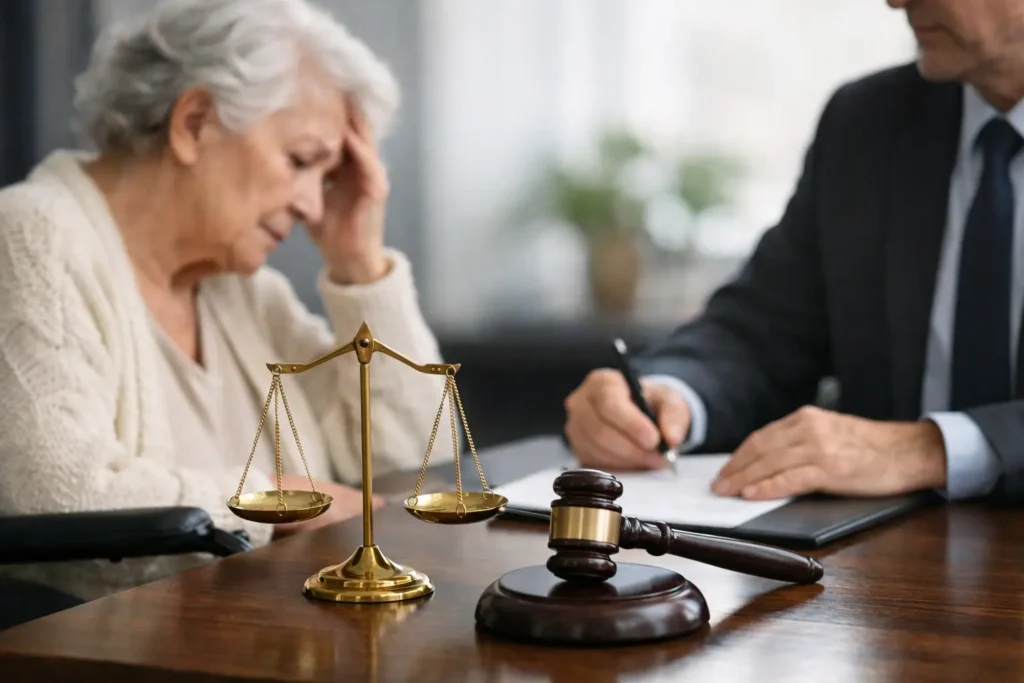
What an elder abuse attorney actually does
An elder abuse attorney investigates harm caused to an older adult in settings such as nursing homes, assisted living facilities, hospitals, rehabilitation centers, or even private homes. Abuse may be physical, emotional, sexual, or financial. It may also involve neglect, which is often just as dangerous. Bedsores, dehydration, medication errors, malnutrition, falls, wandering incidents, and untreated infections are common examples of neglect that can lead to serious injury or death.
The legal job is not limited to filing paperwork. A strong attorney works to identify what happened, who is responsible, and whether the problem was caused by an individual caregiver, a facility-wide staffing failure, poor training, bad hiring practices, or corporate cost-cutting. In many cases, the issue is not one isolated mistake. It is a pattern.
That matters because elder abuse claims often depend on records that facilities control. Staffing logs, care plans, incident reports, medication records, surveillance footage, and internal complaints can shape the outcome of a case. If a family waits too long, some of that evidence may disappear or become much harder to obtain.
Signs that may point to elder abuse or neglect
Not every injury means abuse occurred. Older adults can fall, bruise easily, or experience changes in memory and mood for many reasons. But some patterns should never be brushed aside.
Warning signs include repeated falls, sudden weight loss, poor hygiene, unexplained fractures, pressure ulcers, overmedication, untreated medical issues, fearfulness, withdrawal, and a rapid decline after entering a care facility. Financial abuse can show up through unusual bank activity, changed beneficiaries, missing belongings, or a caregiver becoming unusually involved in money decisions.
Families sometimes hesitate because they do not want to accuse anyone unfairly. That hesitation is understandable. Still, you do not need certainty before speaking with a lawyer. You only need a reasonable concern that your loved one has been harmed or put at risk.
When to contact an elder abuse attorney
The short answer is this: as soon as you suspect serious abuse, neglect, or exploitation. Early action helps protect the person involved and gives your legal team the best chance to secure evidence.
There are a few situations where immediate legal help is especially important. One is when the injury is severe, such as a broken bone, head trauma, advanced bedsores, sepsis, or wrongful death. Another is when the facility gives shifting explanations or refuses to answer basic questions. A third is when you suspect the problem is ongoing and your loved one is still in danger.
It is also wise to call if you believe financial exploitation is happening, especially where a caregiver, relative, or facility worker may have manipulated an elderly person into signing documents, making transfers, or changing estate plans. These cases can move quickly, and recovering assets may become harder over time.
Why these cases can be harder than families expect
Elder abuse claims are emotionally charged, but they are also fact-intensive. Facilities and insurers may deny wrongdoing, blame a resident’s age or medical condition, or argue that a decline was unavoidable. Some cases involve patients with dementia or communication impairments, which can complicate witness testimony. Others involve multiple medical issues, making causation a central fight.
That does not mean the case is weak. It means the investigation has to be thorough. Medical records must be read carefully. Experts may be needed to explain how proper care should have prevented the injury. Corporate ownership structures may need to be untangled to determine who controlled staffing and policy decisions.
The trade-off is that strong cases often take work to build, but that work can expose failures that families would never uncover on their own.
What compensation may be available
Every case depends on the facts, the injuries, and the applicable law, but elder abuse claims may involve compensation for medical expenses, pain and suffering, emotional distress, additional care needs, and in some cases wrongful death damages. Financial abuse claims may also include recovery of stolen or misused assets.
In some situations, the legal goal is broader than compensation alone. Families may want accountability, policy changes, or answers about how a facility allowed the abuse to happen. A lawsuit cannot erase what occurred, but it can force disclosure and create pressure for safer care.
What families should do right away
If your loved one is in immediate danger, prioritize safety first. That may mean calling emergency services, reporting the abuse to the appropriate authorities, arranging a hospital evaluation, or moving the person to a safer environment.
Then begin preserving information. Take photographs of visible injuries and unsafe conditions. Write down dates, names, and conversations while they are still fresh. Save billing records, contracts, discharge paperwork, medication lists, and account statements if financial abuse is suspected. If your loved one can speak about what happened, document their account carefully and respectfully.
Do not rely on the facility to investigate itself. Internal reviews may be incomplete, defensive, or delayed. An outside legal investigation is often necessary to get a fuller picture.
Choosing the right elder abuse attorney
Not every personal injury lawyer regularly handles elder abuse matters. Families should look for an attorney with experience in negligence and injury litigation, comfort with medical records and expert testimony, and a willingness to push back against facilities and insurers that try to minimize harm.
Communication matters just as much. These cases often begin in crisis. You should be able to ask direct questions and receive clear answers about timing, evidence, fees, and next steps. A dependable attorney should explain the process in plain language and treat your family with respect, not pressure.
For many families in Pennsylvania and New Jersey, local knowledge also helps. State laws, reporting systems, court procedures, and care facility regulations can affect strategy. A firm that understands the region and knows how these cases are defended can move more efficiently when time matters.
Elder abuse attorney cases often start with one question
Most families do not begin with legal language. They begin with a painful question: How did this happen? That question deserves a serious answer. If a nursing home ignored fall risks, failed to turn a bedridden resident, missed signs of infection, hired unsafe staff, or looked away while money was taken, those are not minor oversights. They are failures that can change a person’s final years and deeply affect the whole family.
At Kunnel Law, we understand that these cases are about more than records and liability. They are about dignity, safety, and holding wrongdoers accountable when an elderly person has been mistreated.
Do not wait for perfect proof
One of the biggest mistakes families make is waiting until they have every detail lined up. In reality, the point of contacting an attorney is to investigate the details you do not yet have. If your instincts are telling you that a loved one has been abused, neglected, or exploited, trust that concern enough to ask questions now.
A good case starts with fast action, careful investigation, and a legal team prepared to stand up for someone who may not be able to stand up for themselves. Your loved one deserves that protection, and your family deserves honest guidance while you decide what comes next.